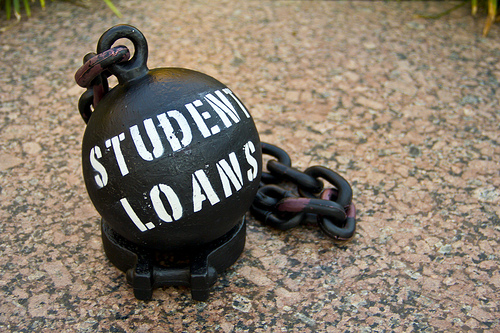
A harsh reality for many recent college grads: Loan repayment dates are looming as summer winds down. If current trends hold, one in eight students(opens in new tab) will default on their loans. The default rate has tripled over the last decade and the consequences are not pretty(opens in new tab): tax refunds taken, wages garnished, and of course a nose-diving credit score.
Student loan debt isn’t just a personal problem – it affects the entire economy, by limiting or delaying graduates’ ability to start small businesses, make large purchases such as homes, or start a family. According to the National Association of Home Builders(opens in new tab) (NAHB )a higher level of student debt is a kind of “debt-ghost”, following graduates around, limiting consumer purchases and suppressing economic growth.
Which comes first: A job in order to afford a car- or a car in order to get a job? For graduates living in places with dismal public transportation, securing a job- much less keeping one- can be almost impossible without access to car. Of course, with high debt, few qualify for a car loan(opens in new tab).
Some student borrowers can use a “Pay As You Earn” repayment plan. Well, about 40,000 of them anyway(opens in new tab). Pay As You Earn allows college grads to pay 10% of their income (above the poverty line) toward their loan, with the promise of loan forgiveness after 20 years. Why only 40,000 people? It’s only available to those who borrowed after 2011, leaving over 7 million graduates now in default without that option.
Fourteen states follow in Oregon’s footsteps on Pay It Forward – is yours one of them? If implemented, college graduates wouldn’t have to worry about the devastating effects of loan default. Payments are simply based on income, so every graduate can confidently move forward early on in their careers knowing payments will always be manageable.
By EOI Intern Elissa Goss